
Stay on the safe side with the right handover protocol
Whether dealing with damage, defects or the condition of the flat, the handover protocol protects both owners and tenants. This blog post explains how to draw up this document and what you should look out for when handing over your property. Our tips will help you ensure that eventualities are planned for throughout the entire process and avoid any nasty surprises.

What is a handover protocol?
A handover report is an important document that is drawn up when a property is handed over, whether a tenant is moving in or out or a property is being sold. It serves to precisely record the condition of the flat or house and document any defects or damage. Comparing it with the contract can also be helpful to substantiate any claims. This protocol protects both the owner and the tenant/buyer by setting out clear agreements on responsibilities and any repairs. When drawing up a handover protocol, all relevant points such as the condition of the walls, floors and fixtures as well as existing documents such as the contract should be recorded. A well-designed and structured handover protocol creates transparency and can serve as a legal document in the event of a dispute.

How does a handover protocol affect the handover of a property?
A handover protocol is an important document that is drawn up when properties, rooms or responsibilities are handed over. It serves to document the state of the property and the agreed conditions. A well structured handover protocol makes all the difference when handing over a property. When handing over the property, you should document all defects and damage in order to avoid disputes later on. We recommend taking photos of any noticeable areas and making a note of them in the report. In addition, it is advisable to draw up the report together with the owner or landlord and to have all relevant documents, such as the rental or purchase agreement, at hand. A carefully drafted protocol helps both parties to the agreement to feel comfortable and ensures that the handover process is transparent and fair. It builds trust between the parties involved and creates a positive atmosphere for the entire handover process. In addition, it allows the process to run smoothly as all the necessary points can be systematically worked through.
The legal framework for handing over a property
An accurate handover protocol is essential for avoiding misunderstandings between owners and tenants/buyers during the handover of a property. By documenting the condition of the property at the time of moving in/out, it protects both parties in the event of disputes. All relevant defects, damage and meter readings should be recorded in the handover report. In addition, it is advisable to enclose a copy of the future contract in order to document contractual agreements. During the viewing, both parties should walk through the property and document the condition of all rooms. Use this opportunity to clarify any questions and ensure that all parties are in agreement with the recorded condition. Careful documentation ensures that both tenant/landlord and buyer/seller are on the same page. Although the preparation of a handover protocol is not required by law, it can help to avoid misunderstandings and clearly define the rights and obligations of both parties. It is therefore beneficial for both parties to draw up such a document, even if it is not mandatory as mentioned above. Make sure that the protocol is signed by both parties in order to maintain the legal framework.
Professional tips for handing over flats and houses
A thorough handover protocol can save a lot of trouble. When handing over a property, it is important to document the condition of the property accurately. Use these tips to make this process easier for you. We recommend that buyers have the property inspected by a building expert. In this way, for instance, defects in the roof structure, basement or pipes and cables can be recognised and recorded. These defects are often not immediately recognisable to the untrained eye, but should definitely be included in the handover report. The contracting parties should make a joint record of all defects and damages in order to avoid misunderstandings. A well-structured protocol not only contains information about the property itself, but also about relevant documents such as the contract. This helps both parties to have a clear understanding of the agreed terms. Use free sample protocols to ensure that no important matters are forgotten. Check that the flat has been handed over in a clean condition and that all keys are present. These details are particularly important when moving in or out. A complete handover protocol protects both landlord and tenant and minimises the risk of disputes. Ensure that the protocol is signed by both parties to give the agreement legal validity. If you have commissioned an estate agent to sell or let your property, they are responsible for drawing up the handover report. You should check with them if you are unsure whether they actually carry out this important task. Conclusion: The handover protocol is not just a simple document, but a valuable contractual record giving both the seller and the buyer security and clarity. If all relevant information such as the condition of the property, handing over the keys and other relevant details are recorded clearly and concisely, misunderstandings and ambiguities can be prevented from the very start. The protocol documents the condition of the property and protects both the landlord and the tenant. A detailed handover protocol can therefore save a lot of trouble and provides a clear framework for the respective claims.

Frequently asked questions briefly explained: What is a handover protocol?
A handover report is a document that records the condition of a property at the time of handover. It serves as proof of any damage or defects and contains relevant information about the property.
Why is the handover protocol important?
A handover protocol is necessary to create legal clarity. It protects both the old and the new owner/landlord/tenant from disputes about the condition of the property and any damage. It also serves as proof of the structural conditions at the time of handover.
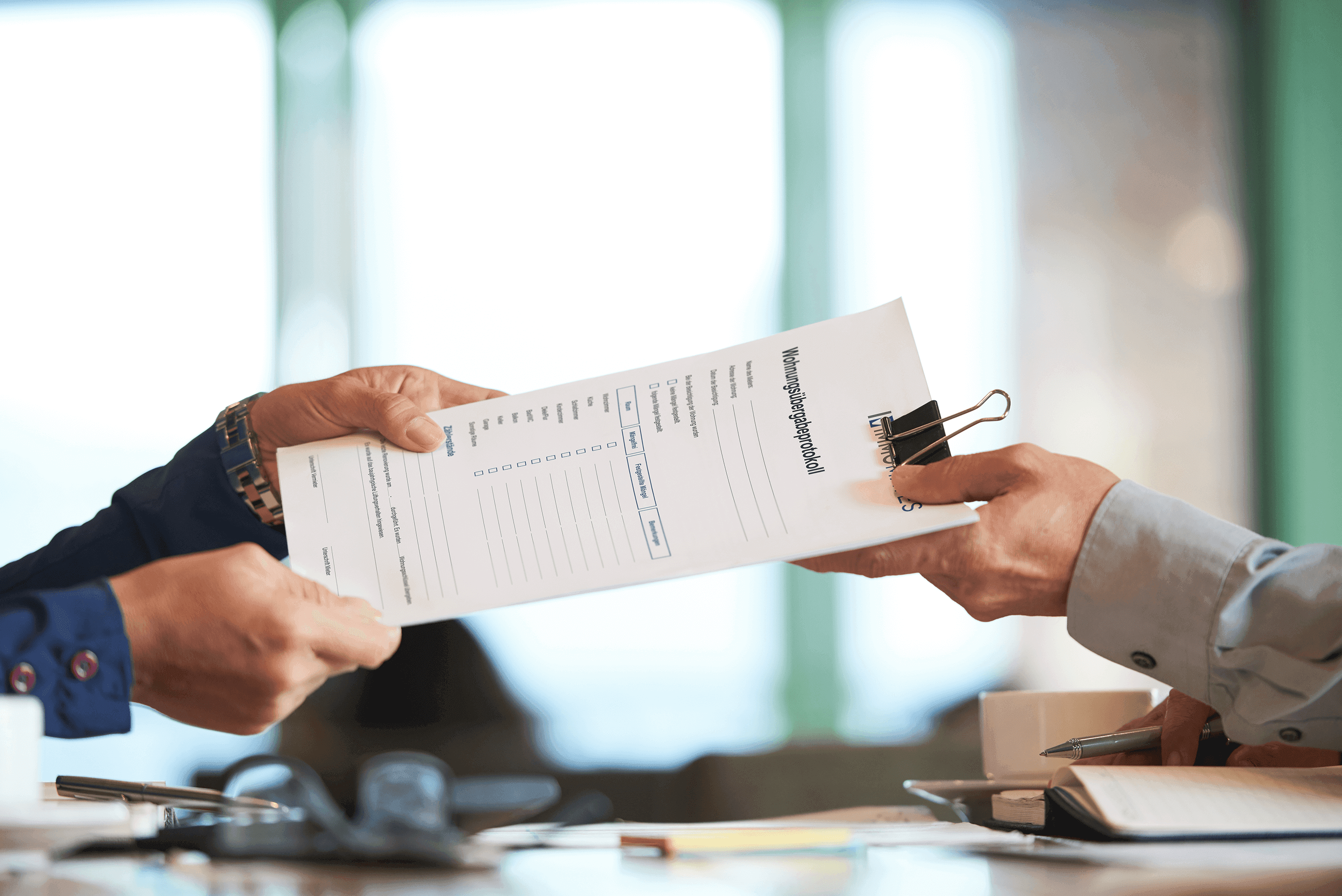
Which details should the handover protocol contain?
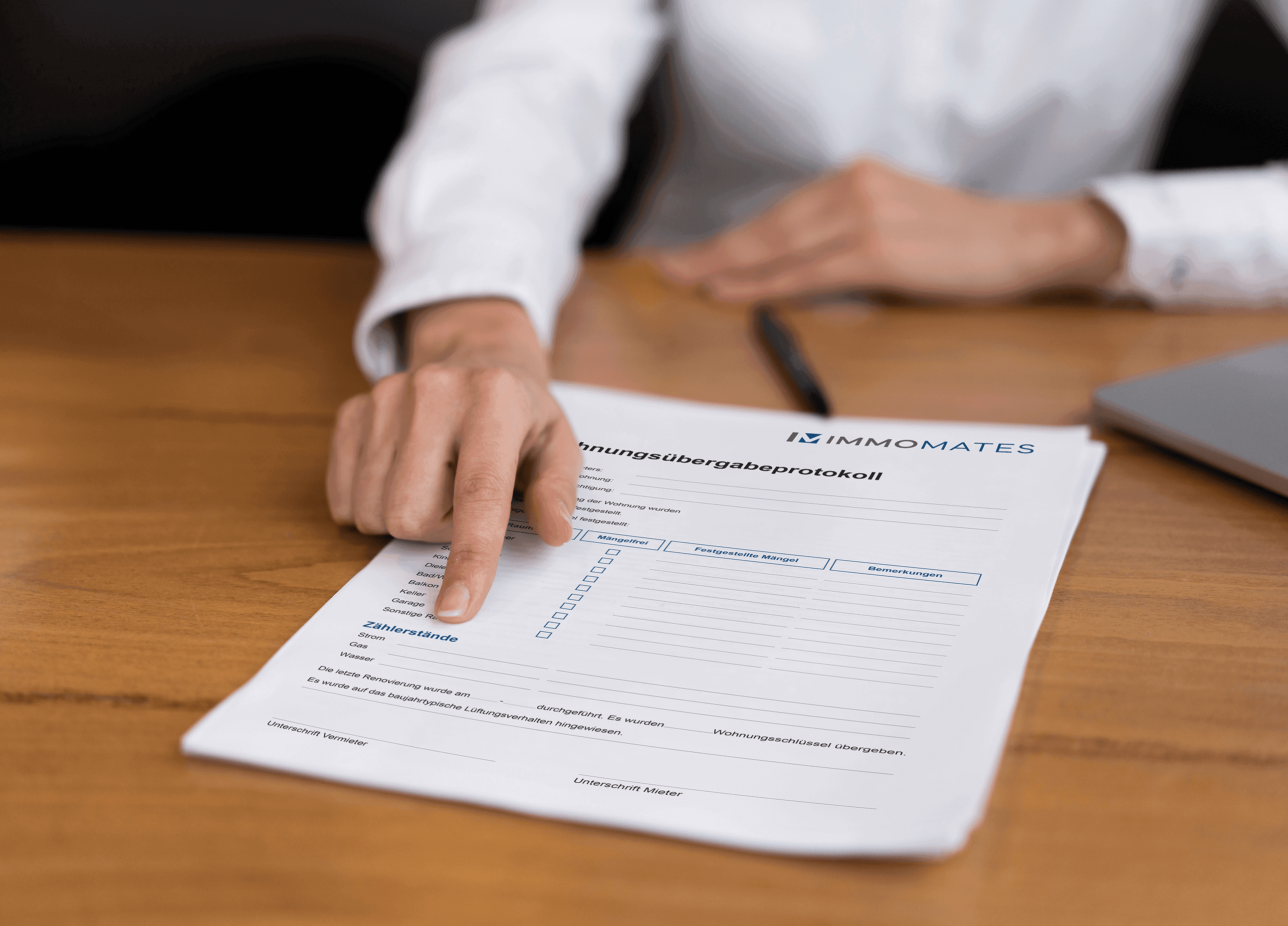
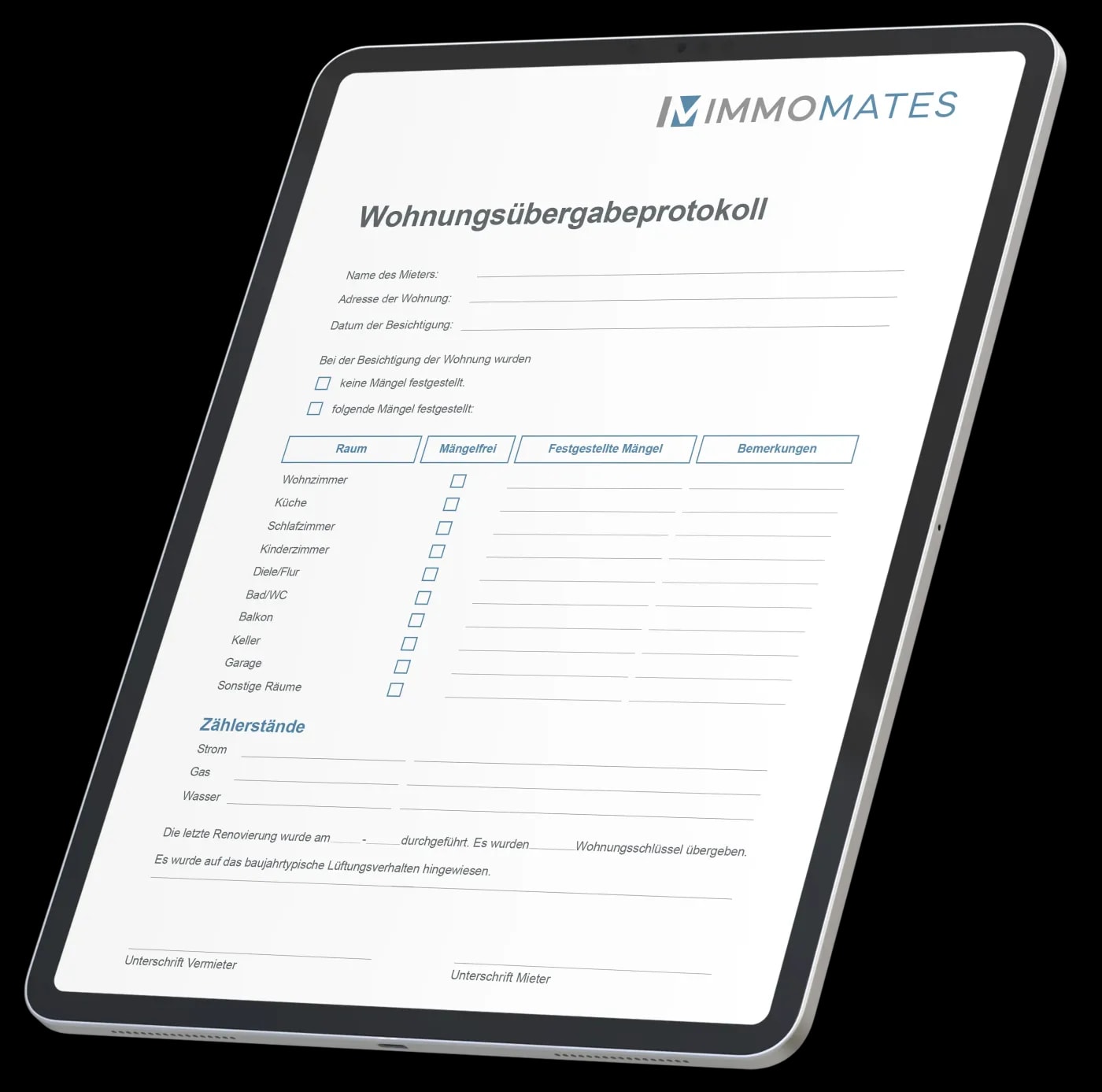
A handover protocol should contain the following information Date and place of the handover Names and addresses of the parties involved Description of the condition of the property (rooms, furnishings, appliances) Any defects or damage found Meter readings (electricity, water, gas) Handover of keys (number of keys handed over) Signatures of the parties involved
All information has been compiled to the best of our knowledge. However, we cannot accept liability for the details.