
Partial sale of real estate—what you need to know!
Real estate is a guarantee of financial security. However, many people forget that maintenance also costs money. If it becomes too expensive or property owners need money at short notice, there are various options available. Partial sale of real estate is a newer option that has recently become more popular. But how does partial sale of real estate work and what should you know about it?

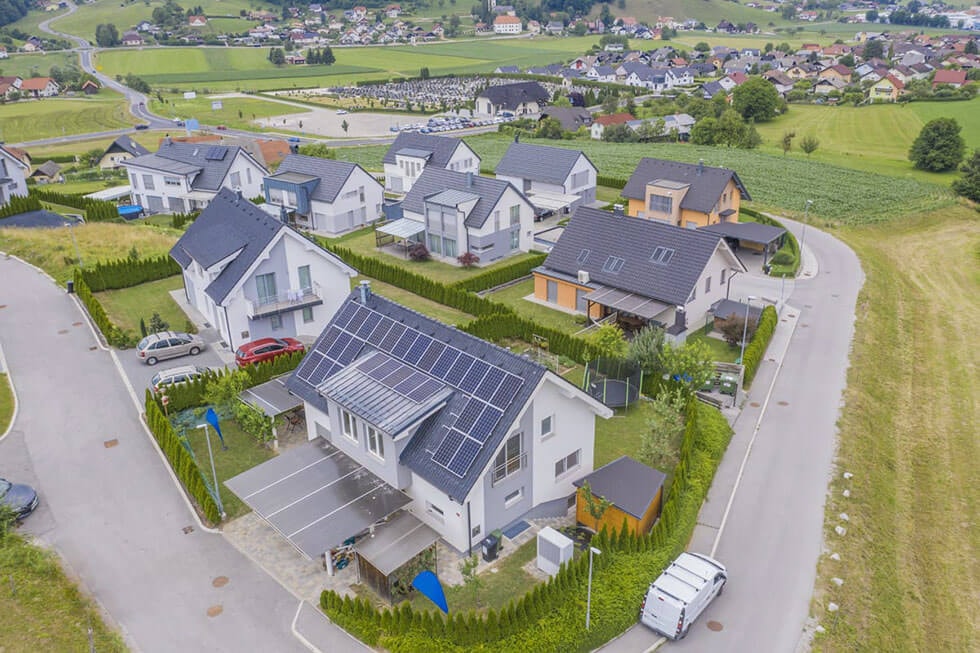
How this sales solution works
In addition to measures such as a mortgage, partial sale of real estate is an interesting financial option. The advantage: unlike selling the house, residents can continue to live in the property. How does it work? A maximum of 50 percent of the house is sold. The seller receives the equivalent value for this portion. The sale puts money directly into the account—without any debt. The share is duly entered in the land register at the relevant office. Nevertheless, the user can continue to live in the house after the partial sale of the property. This is where the partial sale differs from the complete sale. Often, the sold portion is not transferred. Instead, these areas can continue to be used by paying the buyer a usage fee. Typically, it is companies that specialize in this business that act as buyers in partial property sales. Of course, it is crucial that the seller informs themselves about the transaction and arranges it properly before deciding on this option.

The main advantages and disadvantages of partial real estate sales
The most important advantage for most sellers is that they can continue to live in their home. Another plus point is that if the value of the property increases, both sides benefit. This is a decisive advantage for properties in good locations. Many older people who sell part of their property grant their heirs a right of first refusal when repurchasing the remaining shares of the house. This can also be arranged. Some younger sellers have their sights set on a delayed complete sale, or want to keep the option of a buyback open. On the other hand, there are risks and disadvantages to partial property sales. If the usage fee for the continued use of the sold shares is not securely regulated, the rent may rise unexpectedly sharply. And in the event of repair work, these costs must be borne by the seller. Property tax also continues to be payable. Many contracts for the repurchase of sold shares contain a so-called value increase clause. This means that the sold part can only be repurchased at a later date at a higher price. If the partial buyer becomes insolvent, difficult situations can arise. To avoid this, it is advisable to sell to a proven company in the real estate industry. It can also be clarified contractually what happens if the partial buyer gets into financial difficulties and a foreclosure sale takes place.
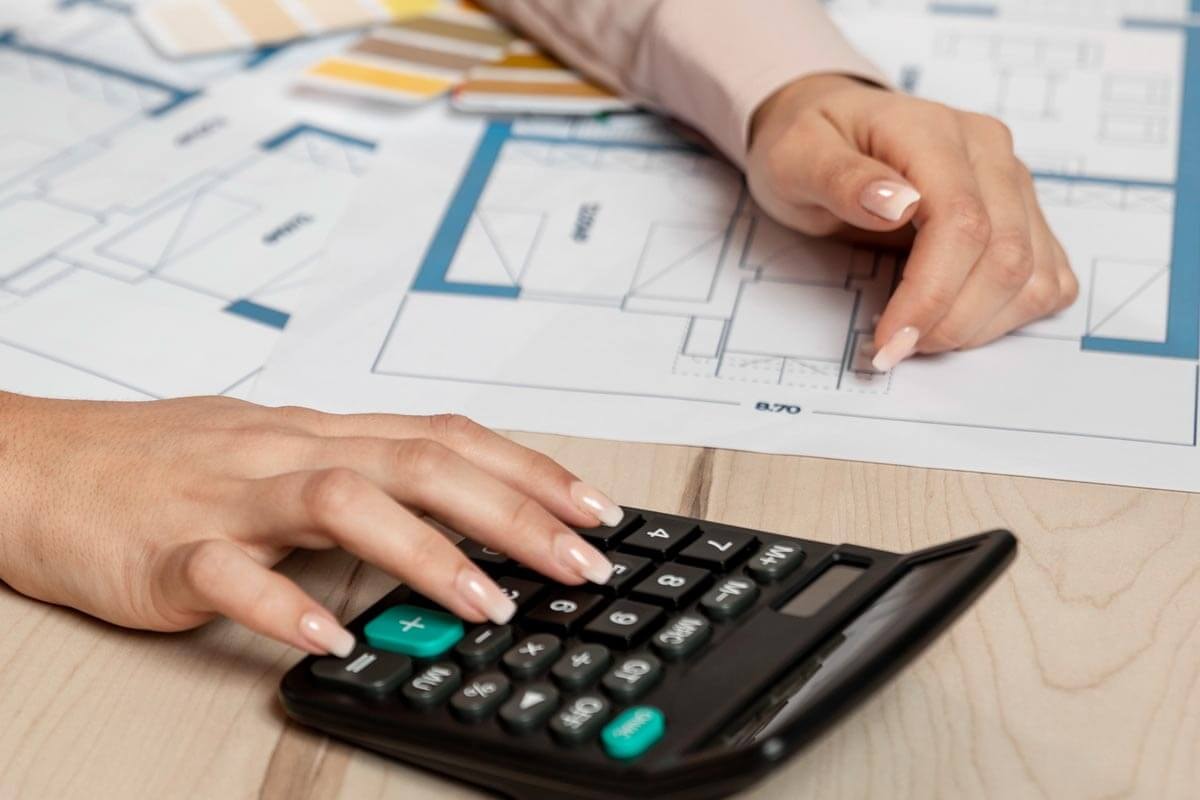
How does a partial sale of real estate work?
To make a sale of this kind, you need a seller and an interested buyer. The actual value must be reliably determined. And then it's a matter of making the partial sale of the property legally secure. This typically happens in the following steps:
- Information consultation and initial exchange: The first step is a real estate information consultation. This can take place with a specialist who makes a recommendation. Some customers also turn to relevant purchasing companies. If the company is interested, an exchange about the intended share of the sale is necessary. On this basis, many qualified companies make an initial non-binding offer.
- Have the property value determined: The next step is a solid assessment of the specific value. In the case of a partial sale of real estate, this is handed over to an external appraiser. It is therefore not carried out by buyers and sellers, but by an independent third party. In order for the appraisal to be prepared, documents such as a current floor plan, the land register entry, a corresponding cadastral map, and a calculation of the usable living space of the property are required. Grundriss Schmiede in Hamburg is happy to help with floor plans, providing up-to-date, accurate, and legally compliant documents.
- Agree on the terms for the partial sale of the property: A sale price is agreed upon and contractually stipulated based on the appraisal and the desired shares. In addition, the future usage fee is stipulated. This is also part of the contract. Other important clauses must be stipulated at this point. Things such as a right of usufruct or a lifelong right of residence should be included. The result is a comprehensive contractual package. Good to know: The right of usufruct allows you to sell your property and still continue to live in it.
- Transaction processing and status after the sale: The contract text for the partial sale of the property is then taken to the notary. Once the document has been signed by both parties, the transaction is considered complete. At that point, the seller should receive the money for the sale. The notary and the procedure they propose also ensure that everything is done properly when it comes to payment. Since the sale has now taken place, the agreed usage fee is due from that point on.

What requirements should you meet for a partial sale of real estate?
There is a separate market segment for partial property sales. Of course, the offers from different providers vary. However, there are some things that sellers should generally have in common. These include a property that is paid off and debt-free. Many providers require sellers to be at least 55 years old for a partial property sale. There are some companies that will agree to a partial sale of real estate with younger property owners. In this case, the right of usufruct is usually limited in time. Many companies that are open to partial sales have a minimum value at which they are willing to purchase. Requirements such as these can be found on their website.

Conclusion
When property owners are faced with high renovation costs due to EU regulations or energy-efficient renovations, many homeowners look for alternative solutions. For older people who want to continue living in their homes but are looking for financial relief, a partial sale of their property can be a viable solution. How much can be sold? A maximum of 50 percent of the property. Smaller shares can also be sold if desired—and in principle, it is even possible to sell part of the property to different parties. Unlike a complete sale, a construction loan, or a loan, in this case it is not only the sale price that needs to be clarified. It is important to regulate the right of usufruct, to make clear contractual agreements about the future usage fee, and to address all important issues. The conditions for a possible repurchase and for a complete sale should also be clarified at this point.
All information has been compiled to the best of our knowledge. However, we cannot accept liability for the details.